Maryland DOT Forms Transit Development Program

The Maryland Department of Transportation recently created a new grant program to advance development projects near transit stations; a program that aims to spur economic activity and increase connectivity in communities statewide.

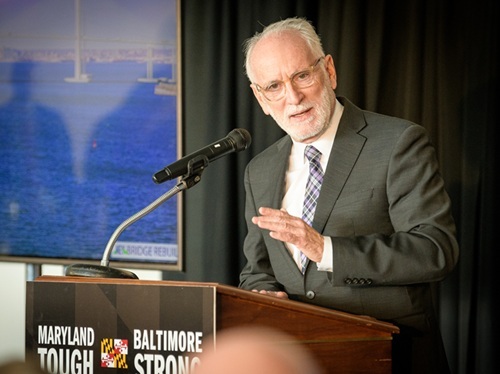
[Above photo by Maryland DOT]

The agency said the first round of funding of the Transit-Oriented Development or TOD Capital Grant and Revolving Loan Fund includes $5 million to support local jurisdictions seeking to build “equitable and inclusive development” near transit hubs.

Applications are due by April 8, the agency said, noting that it will hold webinars for interested applicants.

Paul Wiedefeld. Photo by Maryland DOT.

“With every grant awarded through this program, we will be fueling economic growth and building stronger communities across Maryland,” said Maryland DOT Secretary Paul Wiedefeld in a statement.

“By investing in transit-oriented development, we can ensure more Marylanders benefit from new opportunities, reduce congestion, grow our housing stock, and build a greener, more sustainable Maryland,” he added.

Through the TOD Fund – established by the “Equitable Inclusive TOD Enhancement Act” signed into law by Governor Wes Moore (D) in 2023 – Maryland DOT said it seeks to support projects that would lead to dense, mixed-use and mixed-income development.

The Maryland DOT said eligible projects must have a direct connection or benefit to a site the state has designated for transit-oriented development.

Local jurisdictions can apply for up to $1 million for planning, design, or public infrastructure improvements, the agency noted, while nonprofit or private development partners are eligible to apply in partnership with a local jurisdiction for up to $1 million in gap funding for projects within a state-designated transit-oriented development.

Environmental News Highlights – February 19, 2025

Environmental News Highlights – February 12, 2025

Illinois DOT Gears Up for 34th Diversity Conference

The Illinois Department of Transportation is planning to host its 34th “Today’s Challenge, Tomorrow’s Reward” conference February 26 and 27.

[Above image by Illinois DOT]

Sponsored by the agency’s Office of Business and Workforce Diversity, this conference provides minority- and women-owned businesses with opportunities to make connections and develop skills to grow and succeed.

“With record investments in our statewide transportation system, it is more important than ever that we create opportunities for people to build careers, grow their businesses, and participate fully in our engineering and construction programs,” said Acting Illinois DOT Secretary Gia Biagi in a statement. “We are committed to ensuring that minority- and women-owned businesses are supported and successful and we ask the entire contracting community be part of that effort.” ​ 

The agency noted that its “Today’s Challenge, Tomorrow’s Reward” meeting offers workshops to build skills, seminars on best practices and networking opportunities for firms and contractors wanting to do business with Illinois via the state’s Disadvantaged Business Enterprise or DBE program.

Conference topics include regulatory updates, funding opportunities, “getting paid” and jobsite safety. Industry leaders and Illinois DOT staff also will be leading sessions on how to bid on, participate in and deliver projects.

Many state departments of transportation provide a wide array of support to DBE programs.

For example, in May 2024, the New Mexico Department of Transportation launched an inaugural Small Business Training and Resources or “STAR” program; a 14-week course designed to provide support and resources for Disadvantaged Business Enterprises or DBEs and other small businesses seeking to work with NMDOT.

The STAR program will guide participants through corrections and improvements to any financial, managerial, technical, or labor conditions which could potentially prevent them from receiving project contracts. The agency added that the program’s “carefully crafted curriculum” is designed to ensure that participants receive a comprehensive learning experience tailored to their unique business needs.

WVDOT Starts Work on Transit Renovation Project

The West Virginia Department of Transportation recently started work on a major facility renovation project for Mountain State Transit Authority or MTA that includes overhauling the MTA’s headquarters and bus garage in Summersville, WV.

[Above photo by MTA]

MTA operates bus services in Nicholas, Webster, Pocahontas, and Greenbrier counties, including the communities of Summersville, Richwood, Webster Springs, and Lewisburg.

The renovation project aims to modernize and expand MTA’s Summersville headquarters, adding new office space and a room dedicated for bus driver training, as well expanding the garage area to house more buses.

The total cost of the renovation is estimated at $2.12 million, with a substantial portion of the funding – $1.69 million – coming from the Federal Transit Administration. WVDOT expects the renovation project to be complete by the fall of 2025.

Bill Robinson, executive director of public transit for WVDOT’s Division of Multimodal Transportation Facilities said this project “marks a significant milestone” for MTA, which has been an essential part of the community and surrounding areas for decades.

“This is the beginning of headquarter rehabilitation projects that will serve the public’s needs for the next 20 years,” he said in a statement.

“We have several people tell us, if it wasn’t for MTA, they would not be able to go to jobs,” added MTA General Manager Tim Thomas. “They would not be able to go to medical. They would not be able to go to school. And by school, I mean college.”

WVDOT noted that this investment in public transit is part of a broader effort by its multimodal division to improve transportation access throughout the Appalachian region of West Virginia, where public transit options are vital for connecting remote areas to larger urban centers.

State departments of transportation across the country provide a wide range of support to local and state-level transit services.

For example, the North Carolina Department of Transportation recently launched a new intercity bus route designed to coordinate with the Virginia Breeze bus service to better connect North Carolina and Virginia.

Buses will operate on this new route twice a day, in the morning and afternoon, seven days a week, and will directly connect to the Virginia Breeze Piedmont Express and Capital Connector intercity bus routes. The route will also directly connect to North Carolina’s Mountaineer East-West Route.

In November 2024, the Ohio Department of Transportation issued grants of more than $17.5 million in grants to public transportation providers in rural and urban areas of the state to help improve workforce mobility.

Those grants went to transit agencies in 16 counties through its Ohio Workforce Mobility Partnership Program or OWMP; supporting 33 transit projects that increase the ease and efficiency of transporting residents to economically significant employment centers or places of employment outside of their home communities.

And in October 2024, the Connecticut Department of Transportation launched a new “Tap & Ride” pilot program that allows customers to pay for bus fares by tapping their Visa or Mastercard branded debit card, credit card, or mobile wallet at contactless payment readers on River Valley Transit and CTtransit Meriden Division buses.

The agency said this project marks a major step in “modernizing public transportation” statewide; providing a seamless and secure way for customers to quickly pay while boarding the bus in select service areas, with no downloads or signups required.

And in late June 2024, the Illinois Department of Transportation issued a new statewide public transportation plan that aims to craft a new “strategic vision” for transit services in Illinois, as well as recommend policy, make performance updates, and identify specific initiatives. The agency noted that the last public transportation plan for Illinois was completed in 2018.

Entitled “Next Move Illinois,” this new transit plan dovetails with Move Illinois, Illinois DOT’s long-range transportation plan that is currently being updated.

The agency said “Next Move Illinois” will incorporate feedback from transit providers to help address the needs of diverse communities across the state, including ideas on enhancing accessibility, fostering long-term ridership growth, optimizing intermodal connectivity and implementing strategic measures to strengthen the transportation network against any future challenges.

Environmental News Highlights – February 5, 2025

Louisiana Gets Extra $3M in State Funds for Litter Cleanup

The Louisiana Department of Transportation and Development recently received an additional $3 million from the state legislature to fund expanded litter pickup and removal efforts along major federal highways statewide.

[Above photo by Louisiana DOTD]

This initiative aims to enhance the cleanliness and visual appeal of critical transportation routes across the state, including I-10, I-12, I-20, I-110 and I-610, the agency said in a statement. In addition to litter removal, residents along those highways can expect early grass cutting services to occur as well via an existing state contract.

In fiscal year 2024, the Louisiana DOTD said it committed approximately $13.6 million to litter pickup, reinforcing the state’s dedication to maintaining clean and safe roadways.

This financial investment also raises “important questions” about resource allocation, the agency stressed, as funds spent on litter removal could be directed toward critical areas such as road improvements, maintenance and transportation enhancements if trash was not left along the highway.

State departments of transportation across the country are engaged in a variety of litter removal efforts.

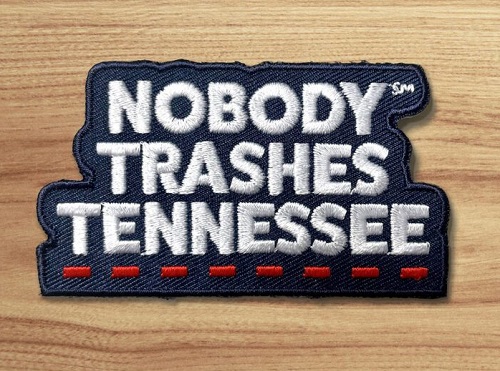
Photo by Tennessee DOT

For example, the fourth annual “No Trash November” cleanup event spearheaded by the Tennessee Department of Transportation removed nearly 70,000 pounds of litter from state roadways and waterways in 2024.

Part of the agency’s Nobody Trashes Tennessee campaign, the yearly “No Trash November” effort brings together Keep Tennessee Beautiful affiliates, Tennessee DOT grantees, Adopt-A-Highway groups, youth groups, water groups, and individuals who all work together to clean up trash as part of that state initiative.

All told, 2,412 volunteers participated in 175 “No Trash November” cleanups in 2024, collecting 3,207 bags of litter, weighing 69,776 pounds.

Meanwhile, three New Mexican state agencies – the New Mexico Department of Transportation, New Mexico Department of Tourism, and New Mexico Department of the Environment – awarded a total of $4.7 million in grants to 97 local entities to support litter removal and community cleanup projects as part of a new state beautification campaign launched in November 2024.

New Mexico’s new “Breaking Bad Habits” campaign seeks to encourage state residents to preserve New Mexico’s “unparalleled landscape” by removing litter, preventing illegal dumping, and other related efforts.

And in May 2024, the Utah Department of Transportation launched a new volunteer litter removal program called “Keeping Utah Beautiful” – a program designed to make it easy for members of the public to go online and sign up for a one-time cleanup of state roads.

The agency said these volunteer cleanups will supplement the work of Utah DOT crews who regularly pick up litter statewide. To ensure volunteer safety, “Keeping Utah Beautiful” participants will not clean interstates or some state routes, the Utah DOT stressed – and requires that program volunteers be a minimum 14 years of age.

MnDOT Issues Active Transportation Planning Grants

The Minnesota Department of Transportation recently noted that 10 cities statewide are receiving grants via its Active Transportation Planning Assistance program to help them increase the number of residents walking and biking within their communities.

[Above photo by MnDOT]

Funded by the state legislature, MnDOT said that program offers an estimated $100,000 worth of technical assistance from a consultant, such as developing an action plan and demonstration project. The agency added that it does not issue those grants directly to recipients and that each community receiving a grant is responsible for covering the implementation costs – such as construction – of their respective active transportation projects.

“[The] Active Transportation Planning Assistance program brings together neighbors to dream big and develop a work plan for building their own network for walking and bicycling,” explained Will Wlizlo, MnDOT’s active transportation coordinator, in a statement. “This assistance helps cities reduce pollution, curb traffic, revitalize main streets, and increase residents’ health and safety.”

State departments of transportation across the country support local active transportation initiatives in their respective regions in a variety of ways.

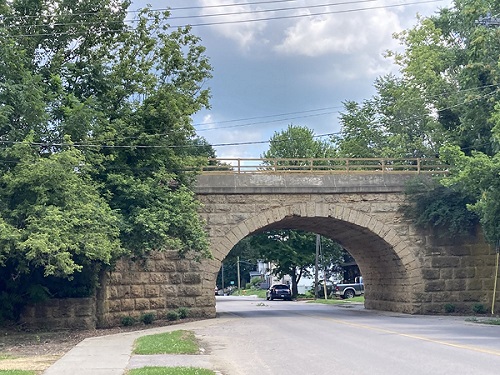
Photo by Illinois DOT

For example, in August 2024, the Illinois Department of Transportation outlined in a blog post how it helped transform an old railroad line and bridge in the city of Dixon, IL, into a trail for pedestrians, bicyclists, and other active transportation users.

The last train using the old Illinois Central Railroad line that once ran through the heart of Dixon rolled through the town in 1985. In 2016, the municipality began planning the conversion of that rail line into a multi-use trail with a combination of state and local funds as well as $3.4 million in federal funds disbursed by the Illinois DOT.

And, in 2023, the Rhode Island Department of Transportation helped support – in concert with various federal, state, and local agencies – the new “Gotham Greens” off-road multi-use path along the Woonasquatucket River Greenway via stormwater mitigation efforts.

This new path, located behind the Gotham Greens building in Olneyville, offers new access to the Woonasquatucket River and serves as a connector between the Greenway and the Washington Secondary Bike Path – helping “knit together” a “patchwork of pathways” in the City of Providence to promote active transportation use while protecting the local environment from stormwater flooding.

Environmental News Highlights – January 29, 2025

CTDOT Seeks Input on Preservation Agreement Draft

The Connecticut Department of Transportation is seeking public comment through February 24 on the draft of a new “Programmatic Agreement” with several modal administrations within the U.S. Department of Transportation that will govern how the agency reviews infrastructure projects in compliance with Section 106 of the National Historic Preservation Act.

[Above photo by the Connecticut DOT]

Section 106 requires federal agencies to identify and assess the effects of a project on historic properties. In practice, that means Connecticut DOT archaeologists and architectural historians carry out this work on behalf of the federal agencies and in conjunction with the Connecticut State Historic Preservation Office or SHPO, Native American tribes, consulting parties, and the public.

The Connecticut DOT said this new agreement involves the Federal Highway Administration, the Federal Railroad Administration, the Federal Transit Administration, the Advisory Council on Historic Preservation, and the SHPO and seeks to create more “efficient processes” for the review of historic properties that may be affected by road, rail, and transit projects across the state.

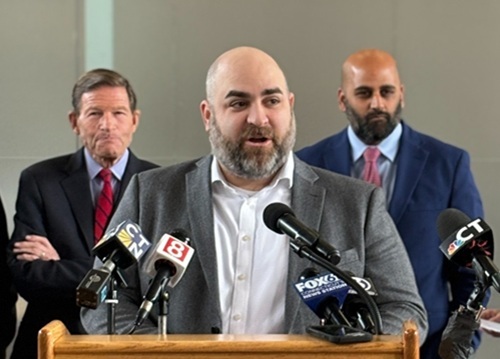
Garrett Eucalitto. Photo by CTDOT.

“We are committed to ensuring that transportation projects not only meet the needs of today but also preserve and respect our rich historical and cultural assets,” said Garrett Eucalitto, commissioner of the Connecticut DOT, in a statement.

Eucalitto – who also serves as the president of the American Association of  State Highway and Transportation Officials – added that this new agreement builds off a similar decade-long accord between the agency and FHWA.

“This collaboration with our federal and state partners is crucial for maintaining transparency, efficiency, and accountability in our process, particularly when it comes to preserving the historic landscapes and structures that define our communities,” he added.

Many state departments of transportation across the country are involved in similar programmatic agreements and are also engaged in a variety of historical preservation efforts tied to transportation projects.

For example, in March 2024, the Georgia Department of Transportation and the Georgia Department of Natural Resources (GDNR) signed a historic Bat Conservation Funding Programmatic Agreement that will transfer conservation funding from Georgia DOT to GDNR so as to maximize bat conservation areas while minimizing impacts to transportation project timelines. 

The Bat Conservation Funding Programmatic Agreement will work in conjunction with a Programmatic Consultation Agreement developed in partnership with Georgia DOT, U.S. Fish & Wildlife Service, the Federal Highway Administration, GDNR, and the U.S. Army Corps of Engineers to streamline Section 7 consultation for transportation projects under the Endangered Species Act.

Those two agreements together form a first of its kind approach to protect endangered bats, creating predictability to the timeline of completing environmental documentation on transportation projects, the Georgia DOT said at the time.

In September 2024, the Iowa Department of Transportation – with support from the Wisconsin Department of Transportation and the Federal Highway Administration –released a 25-minute film about the Black Hawk Bridge and that of the local communities surrounding it.

Created as a compliance requirement with the National Historic Preservation Act, the short film – entitled “Bridging Generations: The Story of the Black Hawk Bridge” – details the history of the 1,700-foot bridge that spans the Mississippi River, connecting Iowa Highway 9 in Lansing, IA, to Wisconsin Highway 82 in rural Crawford County.