The Northeastern Transportation and Wildlife Conference (NETWC) will be hosting a “Habitats and Highways” training session developed by The Nature Conservancy as part of its upcoming meeting September 27-30 in State College, PA.
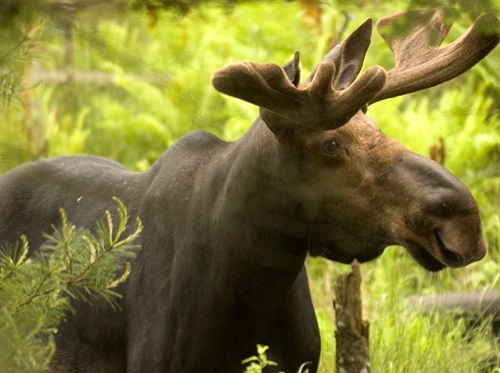
[Above photo by Vermont Fish & Wildlife Department]
That Habitats and Highways training session – jointly presented by the Vermont Agency of Transportation (VTrans) and The Nature Conservancy – will span six presentation blocks:
· An introduction to Habitats and Highways.
· Roads and Wildlife Conflicts.
· Wildlife Friendly Infrastructure Solutions.
· Connectivity Planning and Prioritization.
· Multi-Disciplinary Partnerships.
· Funding, Policy, and Regional Initiatives.
Attendees of all six presentation sessions receive the opportunity to acquire certificates of attendance, with engineers getting the chance to gain Professional Development Hours (PDHs).
https://youtu.be/-RJGKru_ZoE?si=wYCl1upadYupYRgs According to The Nature Conservancy, vehicle crashes caused by wildlife collisions in the U.S. contribute to an average of 200 deaths and 26,000 injuries per year, plus an approximately $10 billion in annual losses in terms of property damage from those crashes, medical expenses, and other costs.
To address those issues, The Nature Conservancy developed – in partnership with eight state departments of transportation in the
region – the “Northeast Habitats and Highways Video Training Series” in 2025 and subsequently released it on YouTube. Inspired by the 2022 Federal Highway Administration-award winning “Highways and Habitats” training program developed by VTrans, The Nature Conservancy’s video training series seeks to assist professionals across specialties and sectors in building infrastructure that keeps nature in mind and reduces wildlife-vehicle conflicts.
“We have spoken to nearly 100 engineers, wildlife specialists, and ecologists from New Jersey to Maine. As a result, we have gathered a unique collection of information, including many success stories from peers in this region,” noted Jim Andrews, a VTrans road ecologist and herpetologist who narrated The Nature Conservancy’s video series.
The series is split into five modules, covering topics from connectivity planning to partnerships and resources, and highlights specific state DOT initiatives, such as the New York State Department of Transportation’s “critter shelf” program in Boonville, NY. https://youtu.be/mfyu-LZayvw?si=NtkdH4Jmhu-G6Uq0
“I think [this video project] showed a time where an outside group came to us with a science-based approach and [we] were able to work with them to get the project done,” said Stephanie Delano, director of the NYSDOT’s Environmental Science Bureau. “Partnerships can work and they can work well.”
More information about The Nature Conservancy’s Habitat and Highways training can be found on its YouTube page and by clicking here. Further information about NETWC can be found here.